
FLORIDA POOL PLANNING GUIDE
Florida Pool Screen Enclosure Cost Guide
Learn what affects Florida pool screen enclosure costs, compare popular enclosure styles, understand permitting requirements, and plan your enclosure as part of a new fiberglass pool project.
Updated July 2026 • Rainforest Pools Resource Team
How Much Does a Pool Screen Enclosure Cost in Florida?
Many Florida homeowners choose to include a screen enclosure as part of their overall backyard investment because it can improve comfort, reduce maintenance, and enhance the finished appearance of the pool area.
Simple inland layouts $12k–$15k Often used for compact pools with standard deck space.
Standard backyard pools $15k–$21k A common planning range for many Florida pool projects.
Taller or custom rooflines $21k–$30k+ Pricing increases with size, height, and structural complexity.
Higher wind-load areas $30k+ Reinforced framing and added engineering can increase costs.
Why the wide range? Florida pool cages involve more than aluminum framing and screen panels. Engineering drawings, concrete footers, drainage considerations, permitting, and hurricane-rated structural components can all influence final pricing.
What Increases Screen Enclosure Cost in Florida?
Several structural and site-specific factors influence final enclosure pricing beyond basic square footage. The biggest differences usually come from engineering, design complexity, permitting, upgrades, and property conditions.
Wind & Structural Requirements
Florida pool enclosures must be designed for local wind conditions, which can significantly affect framing, footers, engineering, and permitting.
- Wind-Load & Hurricane Engineering Coastal areas are often designed for higher wind resistance, sometimes in the 150–160+ mph range. Major cost driver
- Engineering Drawings & Structural Plans Certified engineering documentation is often required for wind-load compliance and permit approval. Often $1,000–$2,000
- Concrete Footers & Anchoring Higher wind ratings may require heavier-gauge aluminum framing, deeper concrete footers, and stronger attachment details.
Size, Height & Roof Design
Larger enclosures and more complex rooflines require more aluminum, more screen, more labor, and additional structural support.
- Height & Roof Style Gable, dome, mansard, and custom rooflines affect material quantities and installation complexity.
- Taller Enclosures Higher structures usually require additional reinforcement and can increase the overall project cost.
- Custom Layouts Expanded patios, attached spas, unusual deck shapes, or large entertaining areas can move pricing toward the higher end.
Permits, Upgrades & Site Work
Local requirements and optional upgrades can also affect the final price, especially when drainage, mesh, or electrical work is involved.
- Permit Fees Municipal permit fees generally range from $200 to $800, depending on location and inspection stages. Often $200–$800
- Upgraded Screen Mesh No-see-um, solar shading, privacy, or pet-resistant screens may add $3,000 to $5,000+ depending on enclosure size. Optional upgrade
- Drainage, Deck & Electrical Integration Guttering, downspouts, deck drainage, lighting, ceiling fans, outlets, and mounted fixtures can add complexity.
Simple takeaway: two homes with similar pool sizes can have very different enclosure costs because wind-load requirements, roof height, engineering, permits, mesh upgrades, drainage, and electrical work can all change the scope.
Popular Pool Screen Enclosure Styles in Florida
Florida homeowners can choose from several pool screen enclosure styles, each offering a different roofline, appearance, and viewing experience. The design selected can also affect engineering requirements, material quantities, and overall project cost.
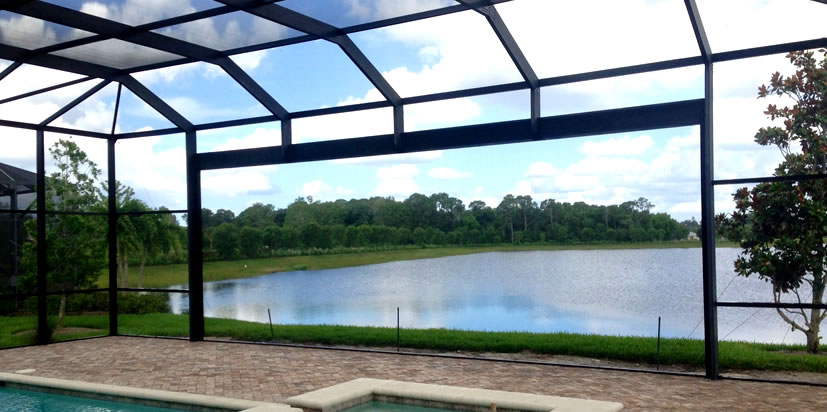
Picture Window Enclosures
Picture window enclosures use larger screen openings and fewer horizontal crossbars to create a broader view of the backyard, lake, golf course, or surrounding landscape.
- Waterfront homes
- Golf course lots
- Open backyard views
- Modern pool designs
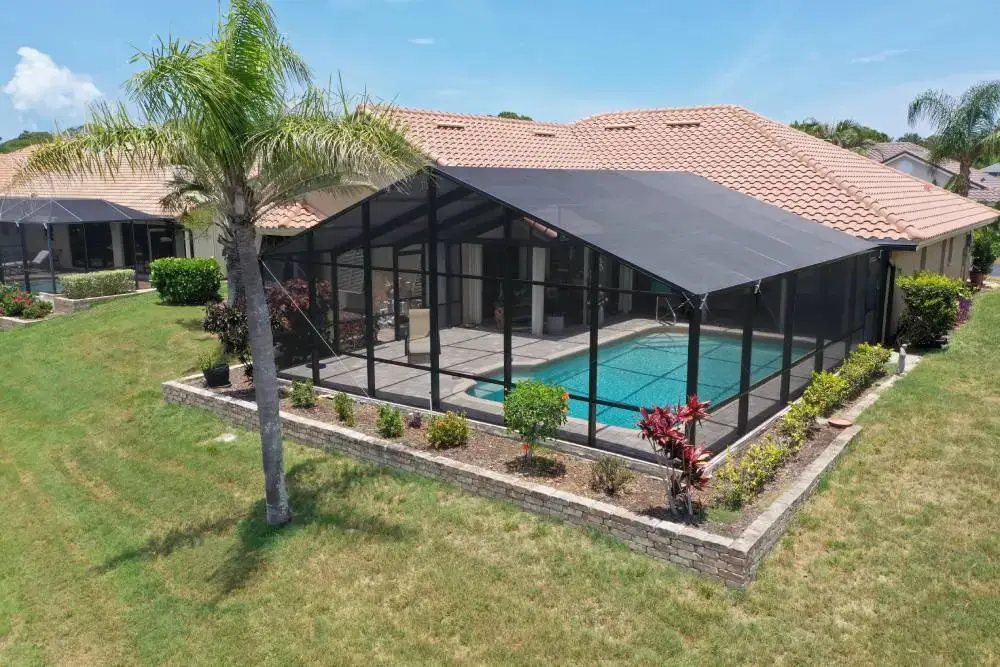
Gable Roof Enclosures
A gable enclosure has a peaked roof that creates added height, airflow, and a more open interior. It works especially well over larger pools and outdoor entertaining areas.
- Family pools
- Outdoor living areas
- Traditional homes
- Larger backyards
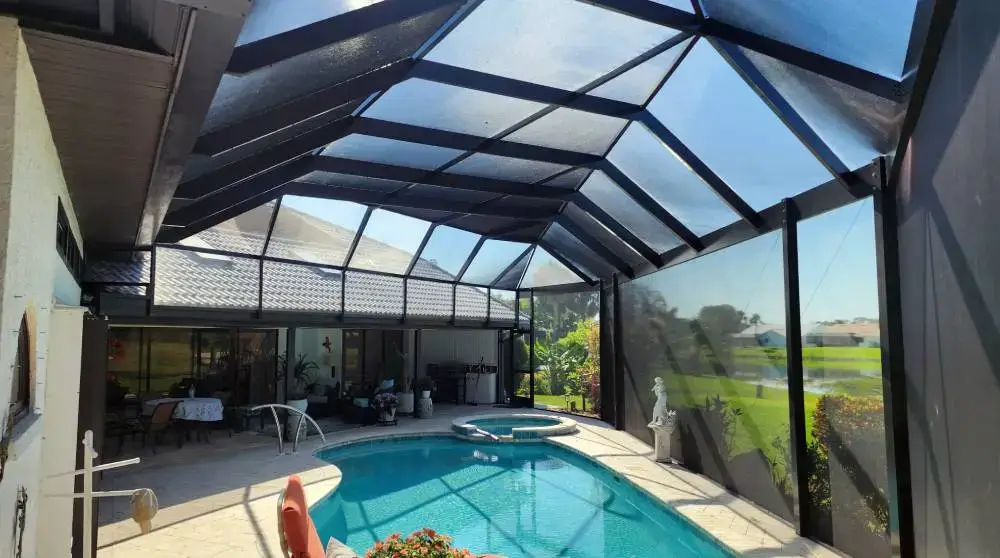
Mansard Enclosures
Mansard enclosures combine tall sidewalls with a gently sloped roof, creating generous interior space and one of the most recognizable pool-cage profiles used throughout Florida.
- Large pool decks
- Covered seating areas
- Taller enclosures
- Spacious layouts
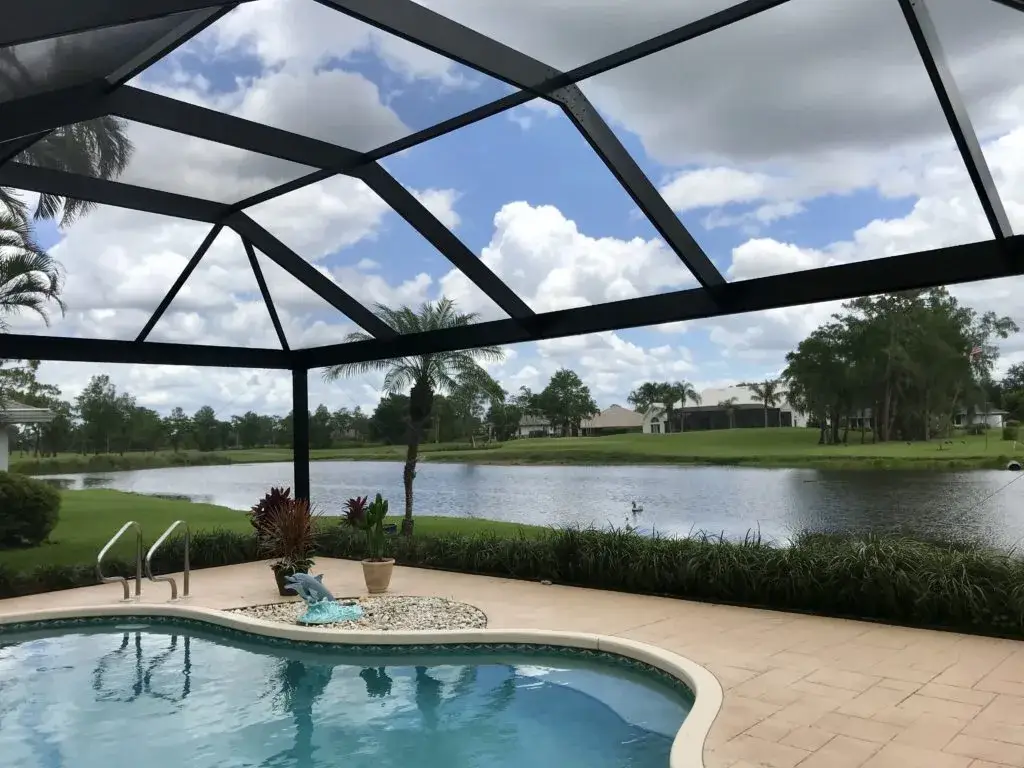
Panoramic or ClearView Enclosures
Panoramic designs reduce the number of vertical support posts to preserve scenic views. Wider structural spans may require additional engineering and can increase project cost.
- Scenic properties
- Premium homes
- Luxury pool projects
- Unobstructed views
Florida Building Code & Permitting Requirements
Pool screen enclosures in Florida are regulated structures. Most projects need local permit approval, wind-load engineering, structural documentation, and inspections before the enclosure can be completed.
Structural Building Permit
Most Florida pool enclosure projects require a building permit from the city or county before work begins. Permit requirements vary by municipality.
Engineering Certification
Wind-load engineering may be required to confirm the enclosure is designed for local wind conditions, exposure, height, and structural requirements.
Footer & Attachment Inspection
Concrete footers, anchoring systems, or structural attachment points may need inspection to verify that the enclosure is properly supported.
Final Structural Approval
After installation, the enclosure typically needs a final inspection before the permit can be closed and the project is officially approved.
Confirm local requirements early. Wind-zone classification, setback rules, HOA guidelines, drainage conditions, property surveys, and city or county permitting steps can all affect enclosure placement, design, timeline, and final pricing.
Planning a Screen Enclosure with a New Fiberglass Pool
When building a new fiberglass pool in Florida, it is smart to plan for the screen enclosure early — even if the enclosure is installed later or handled by a separate licensed enclosure contractor.
Deck Space & Footers
The pool layout should allow enough deck space for enclosure footers, walkways, seating areas, door locations, and future access around the pool.
Drainage & Water Flow
Guttering, downspouts, deck slope, and drainage paths should be considered before the pool deck is finalized to help prevent water from collecting.
Equipment Placement
Pool equipment, plumbing, electrical runs, and service access should be positioned so they do not conflict with enclosure walls, doors, or framing.
Permitting Sequence
Planning the enclosure early can help reduce delays caused by separate engineering reviews, inspections, layout conflicts, or approval steps.
Planning a new fiberglass pool? Include screen enclosure planning in your total backyard budget from the beginning so the pool, deck, drainage, equipment, and enclosure layout work together.
Is a Screen Enclosure Worth the Cost in Florida?
For many Florida homeowners, a pool screen enclosure is one of the most practical additions to a backyard pool. It helps reduce debris, limit insects, improve comfort, and make the pool area feel more finished and usable.
While the upfront cost can be significant, many homeowners view the enclosure as part of the full pool environment rather than a simple add-on.
Less Debris
Helps keep leaves, dirt, grass clippings, and yard debris out of the pool.
Fewer Insects
Creates a more comfortable pool area by limiting mosquitoes, flies, and other pests.
More Comfortable Pool Area
Provides partial sun filtering and helps define the pool as an outdoor living space.
Easier Maintenance
Less debris can mean less skimming, less cleaning, and easier routine pool care.
Is it right for your home? That depends on your property, surrounding trees, neighborhood standards, HOA rules, budget, and how often you plan to use the pool.
Frequently Asked Questions
How much does a pool screen enclosure cost in Florida?
Most Florida pool screen enclosures typically cost between $12,000 and $30,000 or more, depending on the size, design, engineering requirements, and property conditions.
Smaller enclosures for compact pools generally cost less, while larger enclosures with panoramic views, taller rooflines, or enhanced wind-load engineering can significantly increase the total investment. Costs also vary based on local permitting requirements, drainage needs, and optional upgrades.
What factors have the biggest impact on pool screen enclosure cost?
Enclosure size, roof design, wind-load requirements, engineering, and site conditions have the greatest influence on overall cost.
Larger spans require more aluminum framing and screening materials, while coastal locations often require additional structural reinforcement to meet Florida building codes. Drainage improvements, electrical work, custom layouts, and upgraded screen materials may also increase the final project cost.
What is the most popular pool screen enclosure style in Florida?
Picture window and panoramic screen enclosures are among the most popular choices for Florida homeowners.
These designs maximize backyard views by reducing visible framing while still providing insect protection and outdoor comfort. Gable and mansard enclosures also remain popular because they provide additional interior height and complement a wide variety of home styles.
Can I build my pool and screen enclosure at the same time?
Yes. Planning both projects together is often the most efficient approach.
Even if the enclosure is installed after the pool is completed, designing the projects together allows builders to coordinate deck layout, drainage, equipment placement, utilities, and future enclosure attachment points. Early planning can reduce delays and help avoid costly changes later.
Can I add a pool screen enclosure after my pool is installed?
Yes. Many Florida homeowners add a screen enclosure after their fiberglass pool is complete.
Existing pools can usually be enclosed as long as there is adequate deck space, structural support, and room for footers and framing. A qualified enclosure contractor can evaluate the property and recommend the most appropriate design for your existing pool area.
Do pool screen enclosures increase home value?
A well-designed pool screen enclosure can improve the overall appeal and functionality of an outdoor living space.
While the exact impact on resale value depends on the home and local real estate market, many Florida buyers appreciate the added comfort, reduced maintenance, and protection from insects and debris. Screen enclosures are considered a desirable feature in many Florida communities.
How long does a pool screen enclosure typically last in Florida?
Aluminum pool screen enclosure structures can last for decades when properly maintained.
Screen mesh typically has a shorter lifespan and may eventually need replacement because of weather exposure, UV rays, storms, or accidental damage. Routine inspections and timely repairs can help maximize the life of the enclosure and maintain its appearance.
Are pool screen enclosures designed to withstand Florida hurricanes?
Yes. New pool screen enclosures are designed to meet applicable Florida building codes and local wind-load requirements.
Engineering requirements vary throughout the state based on wind zones, exposure, and local regulations. Coastal properties and high-wind areas often require additional structural reinforcement, stronger attachment methods, and engineered plans before permits can be issued.
Planning a Pool Project in Florida?
Still comparing your options? Explore our Fiberglass Pool Pricing Guide, Pool Models, and other Florida pool planning resources to help you design the right backyard for your home.
If you are evaluating a new pool project and want to understand total cost ranges — including enclosure planning — request a property-specific estimate.